

Chronic Kidney Disease: Stages, Symptoms and Management
Disclaimer: This content is for educational purposes only and is not a substitute for professional clinical advice from a healthcare provider.
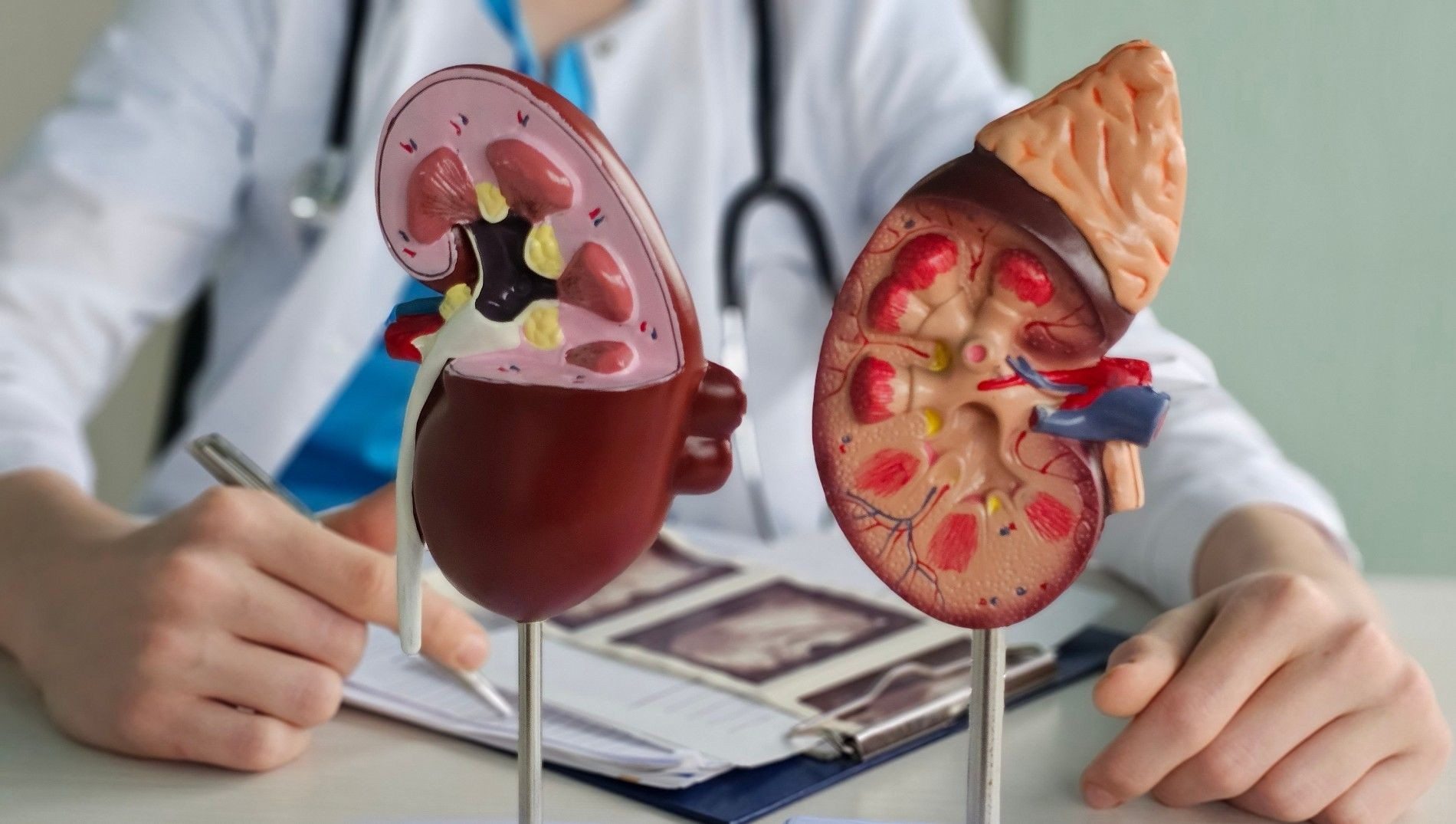
Chronic kidney disease (CKD) is one of Singapore’s most pressing public health challenges. It refers to a gradual, progressive loss of kidney function that persists for three months or longer. Unlike acute kidney injury, CKD is irreversible: once the kidneys are damaged, that damage cannot be undone. However, with early detection and proper management, the progression of CKD can be significantly slowed, and many patients are able to live well for years before reaching the advanced stages.
Table of Contents
- What Is Chronic Kidney Disease (CKD)?
- What Causes CKD?
- Who Is at Risk of CKD in Singapore?
- What Is eGFR and Why Does It Matter?
- The 5 Stages of CKD
- Symptoms of Chronic Kidney Disease
- How Is CKD Diagnosed?
- How Is CKD Managed and Treated?
- Complications of CKD
- Frequently Asked Questions About CKD
- CKD Support in Singapore
What Is Chronic Kidney Disease (CKD)?
CKD is defined as abnormalities of kidney structure or function that persist for at least three months, with implications for health. The kidneys gradually lose their ability to filter waste products, excess fluid, and salts from the blood (functions that are essential to keeping the body in balance).
As CKD progresses, waste products accumulate in the bloodstream, blood pressure becomes harder to control, and the risk of cardiovascular disease increases. In its most advanced form, Stage 5, also known as end-stage renal disease (ESRD), the kidneys can no longer sustain life without renal replacement therapy such as dialysis or a kidney transplant.
What Causes CKD?
CKD is most commonly caused by conditions that damage the kidneys over time. The leading causes in Singapore are:
- Diabetes mellitus – the most common cause, responsible for approximately 60 per cent of new end-stage renal disease cases in Singapore; high blood sugar levels damage the small blood vessels in the kidneys over time
- High blood pressure (hypertension) – the second most common cause; persistently elevated blood pressure damages the kidney’s filtering units and blood vessels
- Glomerulonephritis – inflammation of the glomeruli, the kidney’s filtering units; the second most common cause of kidney disease in Singapore
- Polycystic kidney disease – an inherited condition where fluid-filled cysts develop in the kidneys
- Prolonged use of certain medications – particularly painkillers such as NSAIDs
- Repeated kidney infections – frequent urinary tract infections that reach the kidneys
Who Is at Risk of CKD in Singapore?
You are at higher risk of developing CKD if you:
- Have diabetes or high blood pressure
- Have a family history of kidney disease or kidney failure
- Are above 60 years of age
- Have cardiovascular disease
- Are overweight or obese
- Smoke
Because CKD in its early stages typically produces no symptoms, people in these risk groups should undergo regular kidney function screening through blood and urine tests.
What Is eGFR and Why Does It Matter?
The estimated Glomerular Filtration Rate (eGFR) is the key measurement used to determine how well the kidneys are functioning. It estimates how much blood the kidneys filter per minute per 1.73 square metres of body surface area, calculated using blood creatinine levels, age, and gender.
A normal eGFR is 90 or above. As CKD progresses, the eGFR declines. Doctors use eGFR to stage CKD and track how quickly the disease is progressing over time.
The 5 Stages of CKD
CKD is classified into five stages based on eGFR. Understanding which stage you are in helps guide treatment decisions and what to expect next.
Stage 1 CKD (eGFR 90 or above)
At Stage 1, kidney function is normal or high, but there is evidence of kidney damage – such as protein or blood in the urine, or structural abnormalities detected on imaging – that has persisted for three months or longer.
Most patients have no symptoms at this stage. The focus is on identifying and managing the underlying cause (such as controlling blood sugar or blood pressure) and monitoring kidney function regularly.
Stage 2 CKD (eGFR 60 to 89)
Stage 2 represents a mildly reduced kidney function alongside evidence of kidney damage. Symptoms are typically still absent. Management focuses on protecting remaining kidney function through strict control of blood pressure, blood sugar, and lifestyle factors.
Stage 3 CKD (eGFR 30 to 59)
Stage 3 is divided into two sub-stages:
- Stage 3A (eGFR 45 to 59) – mild to moderate reduction in kidney function
- Stage 3B (eGFR 30 to 44) – moderate to severe reduction
At Stage 3, some patients begin to notice mild symptoms such as fatigue, swelling, and changes in urination. Complications such as anaemia, bone disease, and cardiovascular risk become more significant. Patients are typically referred to a nephrologist at this stage for specialist care. Dietary adjustments and medication management become increasingly important.
Stage 4 CKD (eGFR 15 to 29)
Stage 4 represents severely reduced kidney function. Symptoms become more noticeable and complications more serious. This is a critical stage where patients and their care team should begin planning for renal replacement therapy – whether dialysis or kidney transplantation – before kidney failure reaches its endpoint.
At Stage 4, patients typically begin pre-dialysis education to understand their treatment options and prepare practically and emotionally for the transition ahead.
Stage 5 CKD (eGFR below 15)
Stage 5 is end-stage renal disease (ESRD), also known as kidney failure. At this stage, the kidneys can no longer filter waste and fluid adequately to sustain life without intervention. Treatment options are dialysis (haemodialysis or peritoneal dialysis) or kidney transplantation. Without treatment, Stage 5 CKD is life-threatening.
| CKD Stage | eGFR | Kidney Function | Key Focus |
|---|---|---|---|
| Stage 1 | 90 or above | Normal, with damage markers | Monitor and manage underlying cause |
| Stage 2 | 60 to 89 | Mildly reduced | Protect remaining function |
| Stage 3A | 45 to 59 | Mildly to moderately reduced | Specialist referral, manage complications |
| Stage 3B | 30 to 44 | Moderately to severely reduced | Intensify management |
| Stage 4 | 15 to 29 | Severely reduced | Plan for renal replacement therapy |
| Stage 5 | Below 15 | Kidney failure | Dialysis or transplant required |
Symptoms of Chronic Kidney Disease
CKD is often called a silent disease because symptoms are typically absent in the early stages. As the disease advances and waste builds up in the blood, the following symptoms may appear:
Early stages (1 to 2):
- Usually no noticeable symptoms
- Possibly foamy or bubbly urine (protein leakage) or blood in urine detected on testing
Mid stages (3):
- Fatigue and weakness
- Swelling of the legs, ankles, or feet
- Changes in urination, including urinating more frequently at night
- Mild loss of appetite
Late stages (4 to 5):
- Persistent fatigue and difficulty concentrating
- Significant swelling (oedema)
- Shortness of breath
- Nausea, vomiting, and loss of appetite
- Persistent body itch (pruritus)
- Ammonia-like smell on the breath
- Muscle cramps
- Anaemia (due to reduced erythropoietin production)
- High blood pressure that is difficult to control
- Loss of consciousness in severe cases
How Is CKD Diagnosed?
CKD is diagnosed through two main tests:
Urine test (Urine Albumin-Creatinine Ratio or Urine Protein-Creatinine Ratio): Checks for protein leakage in the urine. Abnormal protein levels may indicate kidney damage and are used to assess the severity of CKD alongside eGFR.
Blood test: Measures serum creatinine in the blood, which is used to calculate eGFR. The eGFR result, combined with the duration of abnormality (at least three months), confirms a CKD diagnosis and determines the stage.
In some cases, imaging (such as an ultrasound) or a kidney biopsy may be performed to identify structural abnormalities or the underlying cause of kidney damage.
How Is CKD Managed and Treated?
There is no cure for CKD, but treatment focuses on slowing progression, managing symptoms, preventing complications, and preparing for renal replacement therapy if needed.
Medications
- ACE inhibitors or Angiotensin Receptor Blockers (ARBs) – to control blood pressure and reduce protein leakage, which slows kidney damage
- Blood sugar medications – strict glycaemic control is essential for diabetic patients
- Diuretics – to manage fluid retention
- Erythropoietin-stimulating agents – to treat anaemia
- Phosphate binders – to control phosphate levels and prevent bone disease
Dietary Adjustments
Diet plays a critical role in managing CKD. A dietitian should be involved in guiding patients at Stage 3 and beyond:
- Reduce sodium (salt) intake to control blood pressure and fluid retention
- Moderate protein intake – enough to prevent malnutrition without overburdening the kidneys
- Limit potassium and phosphorus intake in advanced stages to prevent dangerous build-up
- Maintain adequate caloric intake to avoid weight loss and malnutrition
- Stay appropriately hydrated as advised by your care team
Lifestyle Changes
- Control blood pressure and blood sugar diligently
- Quit smoking – smoking accelerates kidney damage
- Exercise regularly – at least 150 minutes of moderate activity per week
- Maintain a healthy weight
- Avoid medications that are harmful to the kidneys, particularly NSAIDs
Preparing for Renal Replacement Therapy
Patients at Stage 4 should begin pre-dialysis education early. This allows time to:
- Understand and choose between haemodialysis, peritoneal dialysis, and kidney transplantation
- Arrange for vascular access surgery (for haemodialysis) or catheter placement (for peritoneal dialysis) before they are urgently needed
- Plan practically and emotionally for the changes ahead
Early planning leads to better outcomes. A rushed decision at Stage 5 limits options.
Complications of CKD
As CKD progresses, it increases the risk of several serious complications:
- Cardiovascular disease – CKD significantly increases the risk of heart attack and stroke; cardiovascular disease is the leading cause of death in CKD patients
- Anaemia – reduced erythropoietin production leads to fewer red blood cells, causing persistent fatigue
- Bone disease – reduced Vitamin D activation and phosphate imbalance weakens bones and increases fracture risk
- Fluid overload – the kidneys’ declining ability to excrete fluid leads to swelling and breathlessness
- Hyperkalaemia – dangerous build-up of potassium in the blood, which can affect heart rhythm
- End-stage renal disease – requiring dialysis or transplantation to sustain life
Frequently Asked Questions About CKD
What are the three early warning signs of kidney disease? The three most important early indicators are foamy or bubbly urine (protein in the urine), blood in the urine detected on a urine test, and high blood pressure that is difficult to control. Because early CKD has no symptoms, regular screening is the only reliable way to detect it.
Can CKD patients live long? Many CKD patients, particularly those diagnosed in early stages, are able to live for many years with good quality of life through careful management of their condition. Life expectancy depends on the stage at diagnosis, the underlying cause, and how well the disease is managed.
What happens when you have chronic kidney disease? CKD causes the kidneys to progressively lose their ability to filter waste, regulate fluid and electrolytes, and produce key hormones. As the disease advances, waste builds up in the blood, blood pressure rises, and complications such as anaemia and bone disease develop.
What are the five symptoms of CKD? The five most common symptoms in advanced CKD are persistent fatigue, swelling of the legs and face, shortness of breath, nausea and loss of appetite, and persistent body itch. Many of these only appear in the later stages.
How is CKD different from kidney failure? CKD refers to the progressive loss of kidney function across five stages. Kidney failure – or end-stage renal disease – is Stage 5 CKD, where the kidneys can no longer function without renal replacement therapy.
CKD Support in Singapore
If you have been diagnosed with chronic kidney disease, early action is the most important step you can take. Regular monitoring, strict management of underlying conditions, and early planning for renal replacement therapy can make a significant difference to your long-term health outcomes.
When CKD progresses to Stage 5 and dialysis becomes necessary, the Kidney Dialysis Foundation (KDF) is here to help. KDF provides subsidised haemodialysis and peritoneal dialysis treatment, alongside comprehensive wrap-around patient support, for needy kidney patients across Singapore. Contact KDF to find out more about eligibility, the referral process, and the full range of support programmes available.