

Diabetes and Kidney Disease in Singapore: Causes, Symptoms, and How to Slow Progression
Disclaimer: This content is for educational purposes only and is not a substitute for professional clinical advice from a healthcare provider.
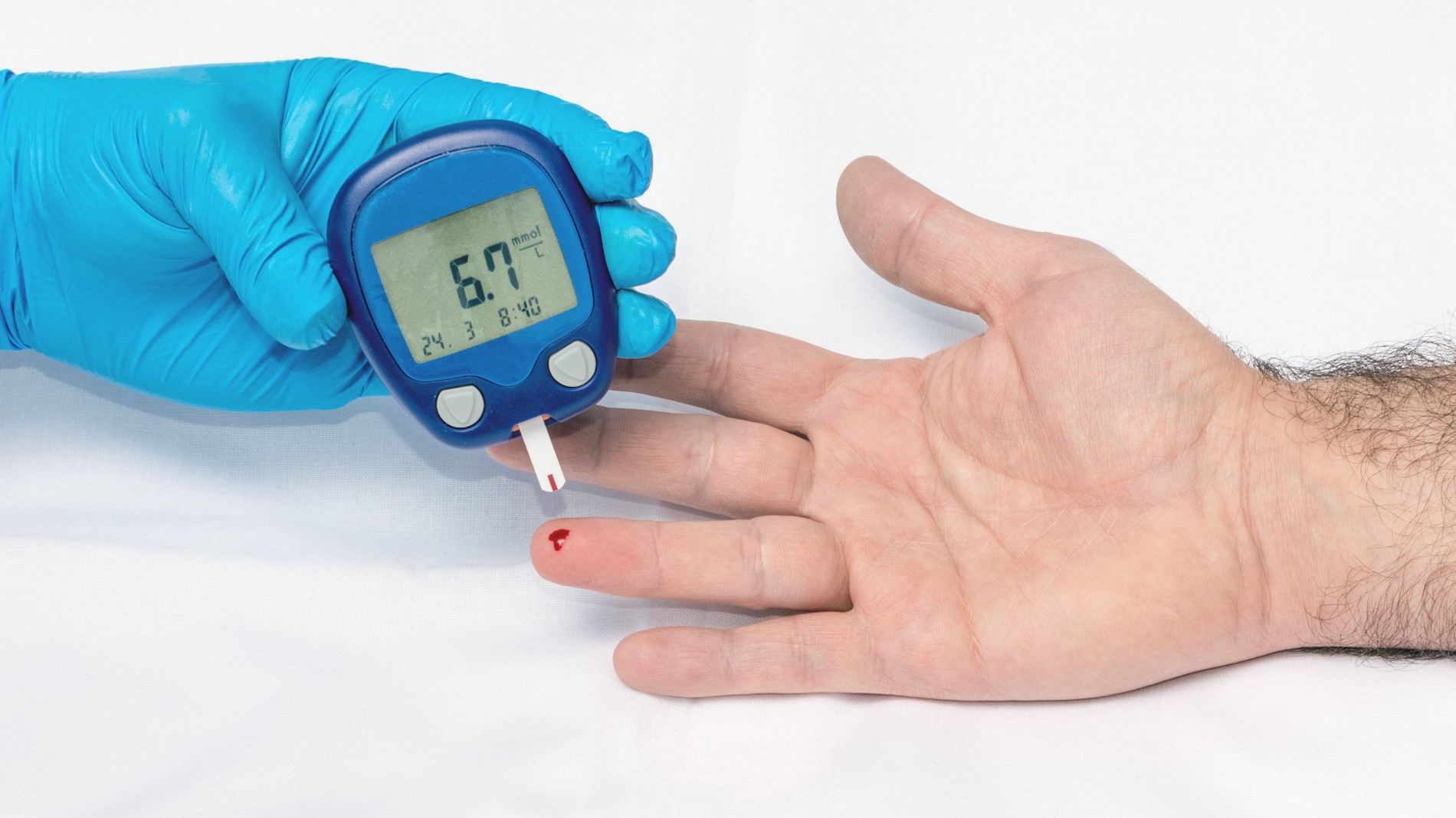
Diabetic kidney disease (DKD), also known as diabetic nephropathy, is a serious complication where the kidneys lose their ability to filter waste from the blood due to damage caused by high blood sugar levels. In Singapore, diabetes is the leading cause of kidney failure, accounting for 64.6% of all new dialysis patients as of 2022. While there is currently no cure, early detection and modern medical interventions can significantly slow the progression of the disease.
Table of Contents
- What is diabetic kidney disease?
- How common is diabetic kidney disease in Singapore?
- What are the early signs of diabetic kidney disease?
- How is diabetic kidney disease diagnosed?
- How to slow or prevent diabetic kidney disease
- Can diabetic kidney disease be reversed?
- When is dialysis needed?
- Living with diabetic kidney disease
- Frequently Asked Questions
- Key Takeaways
- Take the First Step Towards Better Kidney Health
What is diabetic kidney disease?
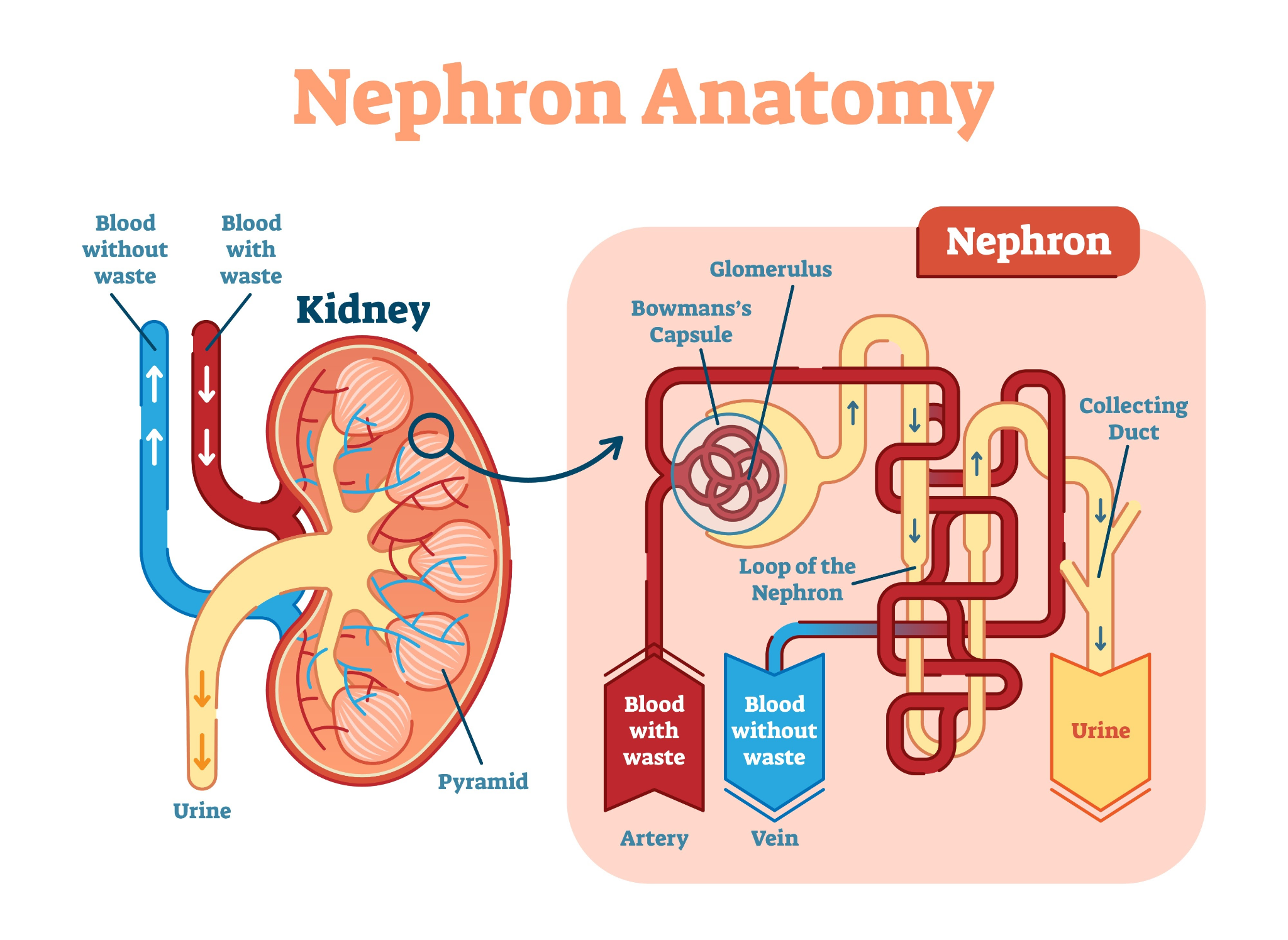
The kidneys contain millions of tiny clusters of blood vessels called glomeruli that filter waste from your blood. Over time, high blood sugar (hyperglycaemia) causes these vessels to become narrow and clogged, eventually leading to structural damage and leakage of protein into the urine.
How diabetes damages the kidneys
- High Blood Sugar: Persistent hyperglycaemia causes oxidative stress and inflammation within the kidney’s filtering units.
- Glomerular Damage: The “filters” (glomeruli) thicken and scar, a process known as glomerulosclerosis.
- Protein Leakage: As filters fail, a protein called albumin “leaks” from the blood into the urine (proteinuria).
- RAS Activation: The body’s Renin-Angiotensin System becomes overactive, further increasing blood pressure within the kidney and accelerating damage.
Type 1 vs Type 2 Diabetes: Kidney Risk
The medical community no longer uses terms like “IDDM/NIDDM” or “juvenile/adult-onset” as they are outdated. Both types carry significant kidney risks.
| Feature | Type 1 Diabetes | Type 2 Diabetes |
|---|---|---|
| Cause | Autoimmune destruction of insulin-producing cells. | Insulin resistance and relative insulin deficiency. |
| Typical Onset | Usually childhood or young adulthood. | Historically adults >40; now increasingly common in youth. |
| Kidney Risk | Typically appears 5–10 years after diagnosis. | May be present at the time of diagnosis. |
| Screening Start | 5 years after diagnosis (per ADA) | At the time of diagnosis |
How common is diabetic kidney disease in Singapore?
Singapore faces a significant challenge with diabetes-related kidney disease, with incidence rates among the highest in the Asia-Pacific region:
- 64.6% of new dialysis patients in 2022 had DKD, according to the Singapore Renal Registry Annual Report 2022.[1]
- Approximately 42.3% of people with diabetes in Singapore have some form of chronic kidney disease (CKD), compared to only 10.0% of the non-diabetic population, according to the National Population Health Survey (NPHS) 2022.[2]
- Singapore has one of the highest rates of diabetes-induced kidney failure in the world, according to the United States Renal Data System (USRDS) 2022 Annual Data Report International Comparisons chapter.[3]
What are the early signs of diabetic kidney disease?
Early-stage DKD is often a “silent” disease because symptoms do not appear until the kidneys have lost significant function. The first detectable sign is usually a small amount of protein in the urine, known as microalbuminuria.
Symptoms as DKD progresses
As kidney function declines, you may notice:
- Foamy or bubbly urine (indicating high protein levels).
- Worsening blood pressure that becomes harder to control.
- Oedema: Swelling in the ankles, legs, or face.
- Nocturia: Frequent need to urinate, especially at night.
Signs of advanced kidney failure
When kidneys reach end-stage failure, symptoms become severe:
- Persistent nausea, vomiting, or loss of appetite.
- Extreme fatigue and paleness (due to anaemia).
- Generalised itching and muscle cramps.
How is diabetic kidney disease diagnosed?
Because early stages lack symptoms, annual screening is strongly recommended for all people with diabetes in Singapore under the Healthier SG CKD Care Protocol.[5] The two key diagnostic tests are:
- Urine Albumin-to-Creatinine Ratio (UACR): A urine test to detect protein leakage. A result of 30–300 mg/g indicates microalbuminuria (early damage), while >300 mg/g indicates macroalbuminuria (significant damage).
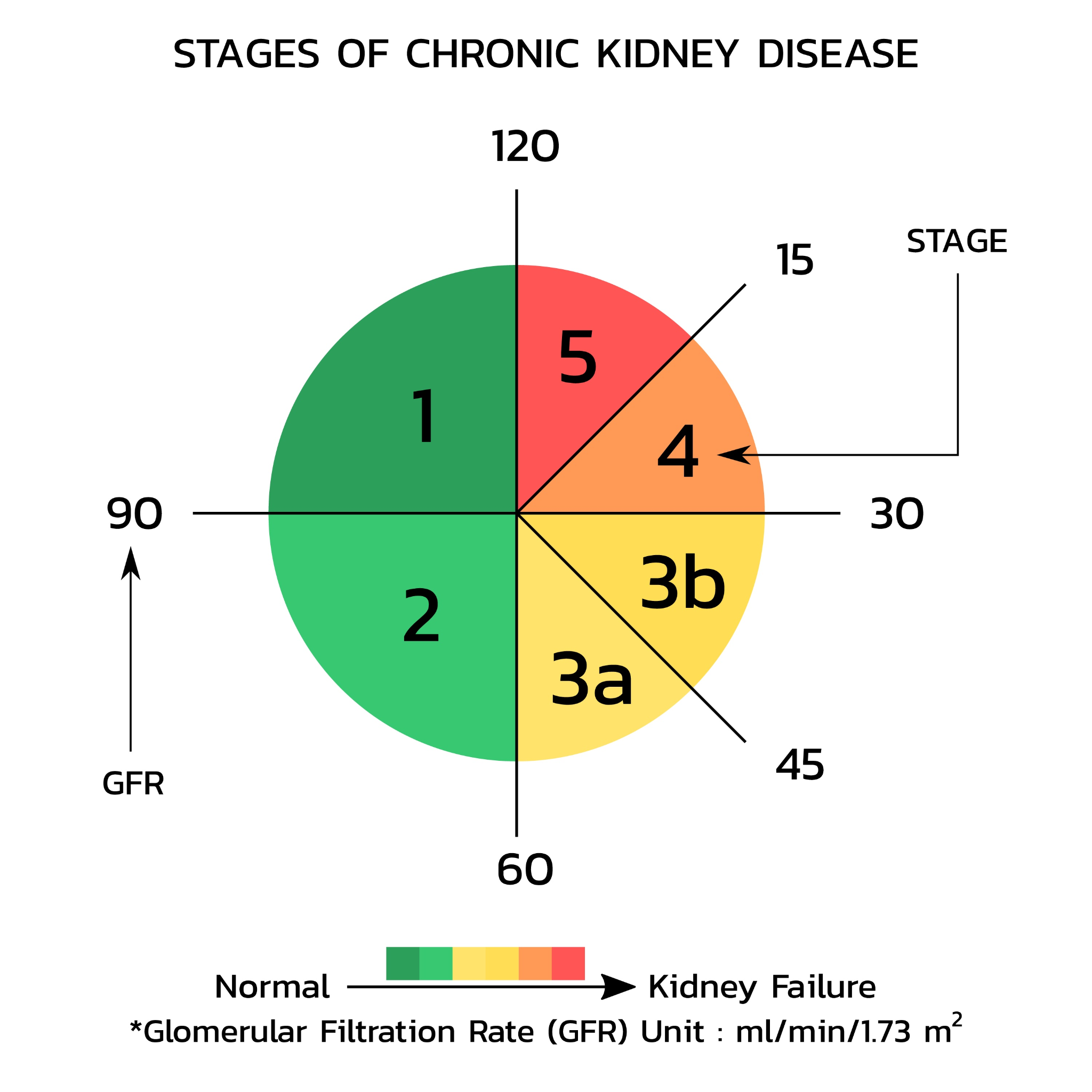
- Estimated GFR (eGFR): A blood test measuring creatinine levels to determine how well your kidneys are filtering.
| CKD Stage | eGFR Level (mL/min/1.73m²) | Description |
|---|---|---|
| Stage 1 | 90+ | Normal function with signs of damage. |
| Stage 2 | 60–89 | Mildly decreased function. |
| Stage 3a | 45–59 | Mild to moderate decrease in function. |
| Stage 3b | 30–44 | Moderate to severe decrease in function. |
| Stage 4 | 15–29 | Severely decreased function. |
| Stage 5 | <15 | Kidney failure (Dialysis/Transplant required). |
How to slow or prevent diabetic kidney disease
The goal of treatment is to protect the remaining kidney function through a multi-pronged approach.
Blood Sugar & Pressure Control
Maintaining an individualised HbA1c target (usually <7.0% per KDIGO 2022 Clinical Practice Guidelines for Diabetes Management in CKD)[4] and a blood pressure target of <130/80 mmHg is critical. In many cases, blood pressure control is even more vital for kidney protection than sugar control alone.
First-Line Medications
- ACE Inhibitors and ARBs: These medications lower blood pressure and specifically reduce the pressure inside the kidney’s filters, cutting down protein leakage.
- SGLT2 Inhibitors: Modern drugs (e.g., empagliflozin, dapagliflozin) are now the standard of care in Singapore per the latest 2025 guidelines. They provide significant kidney protection regardless of their effect on blood sugar.
- GLP-1 Receptor Agonists: These injectable medications, such as semaglutide, are used in Singapore to manage blood sugar while providing documented cardiovascular and renal protection in high-risk patients.
Diet and Lifestyle
Reducing salt intake (less than 5g/day), managing fluid intake, and moderating protein consumption help reduce the workload on the kidneys. Always consult your doctor before changing medications or dietary habits.
Can diabetic kidney disease be reversed?
While established structural damage such as scarring cannot be reversed, early-stage damage can be stabilised or even reduced. Data from Singapore’s NEMO (Nephrology Evaluation, Management and Optimisation) programme showed that 51% of patients achieved a significant decrease in, or the elimination of, proteinuria through intensive medical management.[6] The same programme recorded a 28% lower rate of declining kidney function among participants, demonstrating the real-world impact of early intervention.
When is dialysis needed?
Dialysis becomes necessary when a patient reaches End-Stage Kidney Disease (ESKD), typically when the kidneys are functioning at less than 10–15% of their original capacity (eGFR <15). At this stage, the kidneys can no longer sufficiently remove waste and excess fluid from the body, leading to life-threatening complications. While early involvement does not mean immediate failure, advanced stages require either haemodialysis or peritoneal dialysis to perform the work of the kidneys. A kidney transplant remains the preferred alternative for eligible patients.
Living with diabetic kidney disease
Living with DKD involves coordinating with a multi-disciplinary care team, including GPs, endocrinologists, and nephrologists. At KDF, patients are supported through their journey with financial assistance and subsidised treatment as well as holistic patient support programmes covering nutrition, physiotherapy, and peer support. Patient stories highlight the importance of emotional support and early intervention in maintaining a high quality of life.
Illustrative patient story (composite example, not a real individual)
Mr Tan, a 58-year-old taxi driver, was diagnosed with Type 2 diabetes in his mid-40s. For years, he managed his condition casually – taking medication when he remembered and skipping his annual reviews because he “felt fine.” When routine testing finally detected microalbuminuria, the road was not a simple fix. Mr Tan initially struggled with the dietary restrictions, finding it difficult to find “kidney-friendly” meals while on the road, and experienced minor side effects when his blood pressure medication was first adjusted. However, by working closely with his renal dietitian and care team to manage these setbacks, his condition eventually stabilised. Three years on, his proteinuria has decreased significantly. Mr Tan’s experience reflects what many KDF patients describe: management is hard work and may involve setbacks, but early intervention keeps the most options on the table.
Frequently Asked Questions
How long does it take for diabetes to damage the kidneys?
It typically takes between 5 to 10 years of living with diabetes for clinical signs of kidney damage to appear. However, because Type 2 diabetes often remains undiagnosed for years, some patients may already have kidney involvement at the time of diagnosis.
Can you have diabetic kidney disease without symptoms?
Yes, early-stage diabetic kidney disease is almost always asymptomatic. The initial sign of damage is the “silent” leakage of protein (proteinuria), which can only be detected through specialised laboratory tests.
What foods should I avoid with diabetic kidney disease?
Patients should primarily limit sodium (salt) to manage blood pressure. Depending on the CKD stage, a renal dietitian may recommend restricting potassium and phosphorus.
Is diabetic kidney disease hereditary?
While the risk of diabetes is genetic, lifestyle management is the most significant factor in whether that diabetes leads to kidney failure.
How is diabetic kidney disease different from chronic kidney disease?
CKD is a general term; DKD is specifically caused by the long-term effects of high blood sugar on the kidneys.
Will I definitely need dialysis if I have diabetes?
No. Early action with medications like SGLT2 inhibitors and ACE inhibitors can stabilise kidney function and prevent the need for dialysis.
Does kidney involvement mean I have kidney failure?
No, kidney function is normal at first. It takes a few years before early involvement leads to kidney failure. There is time to slow the process with treatment.
Key Takeaways
- Screening is strongly recommended: Get a UACR and eGFR test at least once a year.
- Monitor protein: Foamy urine is a sign to consult your doctor immediately.
- Modern treatments work: SGLT2 inhibitors protect kidneys even when sugar levels are well-controlled.
- Blood pressure matters: Aim for <130/80 mmHg to protect your kidney filters.
- Dialysis is preventable: Early detection and strict adherence to treatment can stop progression to failure.
Take the First Step Towards Better Kidney Health
Kidney failure does not happen overnight. It develops gradually, often without obvious symptoms, which is why prevention and early detection matter so much. Whether you are managing diabetes or high blood pressure, caring for a loved one with kidney disease, or simply looking to protect your long-term health, the steps outlined in this guide can make a real difference.
If kidney failure has already been diagnosed, know that support is available. The Kidney Dialysis Foundation (KDF) is dedicated to ensuring that no kidney patient in Singapore goes without life-sustaining treatment due to lack of funds. From subsidised dialysis to wrap-around patient care, KDF is here to help at every stage of the kidney health journey.
Contact KDF today to find out more about our dialysis programmes and financial assistance schemes.