

Glomerulonephritis: Causes, Symptoms, Types and Treatment
Disclaimer: This content is for educational purposes only and is not a substitute for professional clinical advice from a healthcare provider.
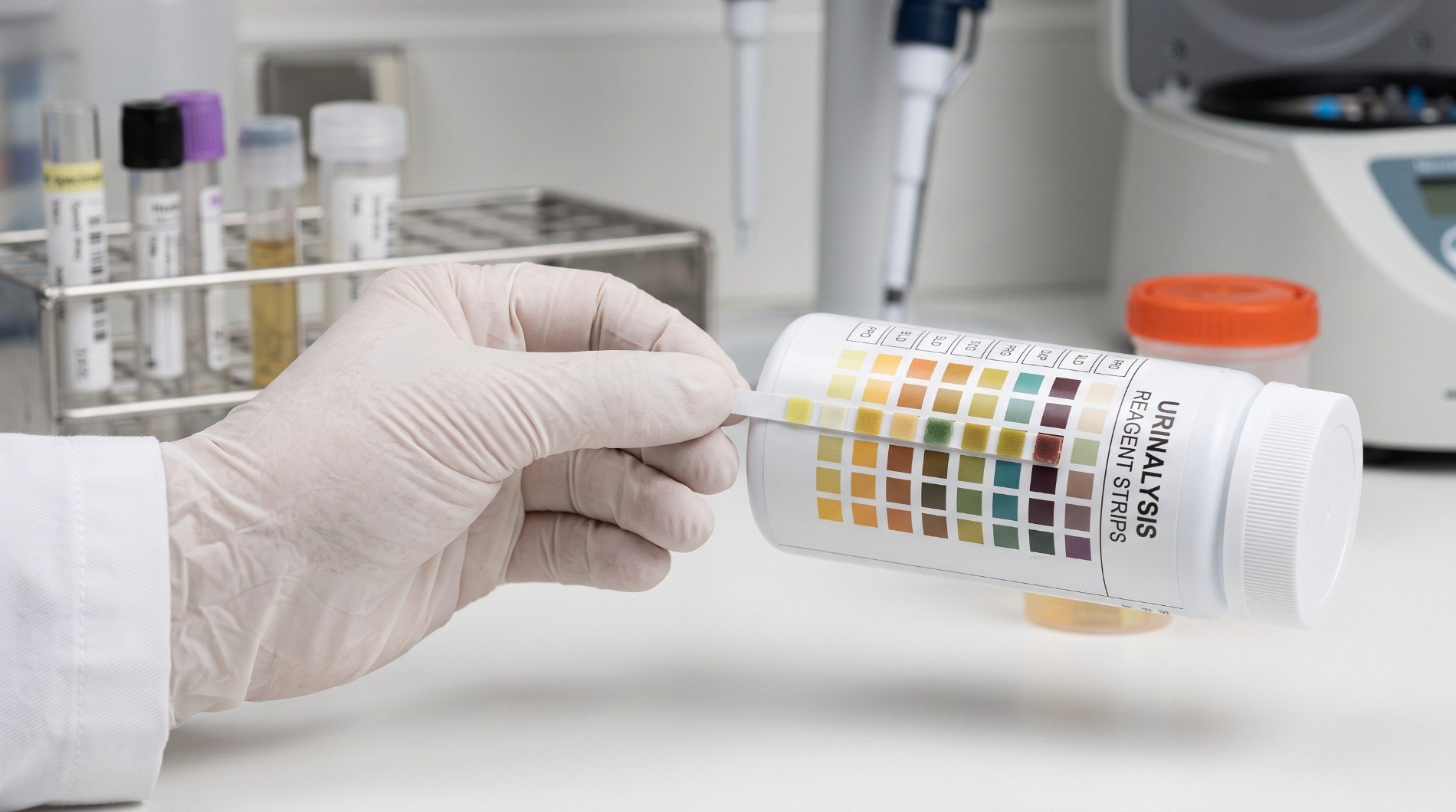
Glomerulonephritis is the second most common cause of kidney disease in Singapore, after diabetes mellitus. It refers to inflammation of the glomeruli – the tiny filters inside your kidneys responsible for removing waste products and excess water from the blood. When these filters become inflamed and scarred, the kidneys gradually lose their ability to function properly, potentially leading to kidney failure if left untreated.
Table of Contents
- What Is Glomerulonephritis?
- How Does Glomerulonephritis Develop?
- Types of Glomerulonephritis
- Signs and Symptoms of Glomerulonephritis
- How Is Glomerulonephritis Diagnosed?
- Treatment Options for Glomerulonephritis
- Long-Term Outlook
- Living With Glomerulonephritis: What to Remember
- Frequently Asked Questions About Glomerulonephritis
- Take Control of Your Kidney Health
What Is Glomerulonephritis?
Glomerulonephritis (GN) refers to a group of conditions characterised by inflammation of the glomeruli. The glomeruli are microscopic filtering units within the kidneys. Each kidney contains approximately one million of these filters, and together they process the body’s entire blood supply many times a day.
When the glomeruli become inflamed, they can no longer filter waste effectively. Over time, the inflammation leads to scarring. As scarring worsens, the kidneys’ ability to excrete waste products and water steadily declines – a process that, if not managed, can progress to end-stage kidney failure requiring dialysis or transplantation.
How Does Glomerulonephritis Develop?
Glomerulonephritis typically develops when the immune system produces antigen-antibody complexes that become lodged in the kidney filters. These complexes trigger an inflammatory response in the glomeruli, causing damage over time.
How Are Antigen-Antibody Complexes Formed?
Antibodies in the bloodstream normally defend the body by attaching to foreign substances such as bacteria or viruses – collectively called antigens. Together, they form antigen-antibody complexes that are usually cleared from the body efficiently.
However, when the immune system becomes over-reactive, it may produce abnormal antibodies or an excessive quantity of antibodies. In these cases, the body may be unable to clear the complexes from the bloodstream. As these complexes circulate through the kidneys, they can become trapped in the glomeruli, triggering inflammation.
In many types of glomerulonephritis, the triggering antigen is not clearly identified. In some cases, the antigen may be the body’s own tissue – or even the kidney itself – which is why the condition is sometimes linked to autoimmune diseases.
Types of Glomerulonephritis
There are several types of glomerulonephritis, broadly classified as primary (affecting the kidneys directly) or secondary (a manifestation of a systemic disease).
| Type | Classification | Key Feature |
|---|---|---|
| IgA Nephropathy | Primary | Most common type in Singapore; restricted to the kidney in early stages |
| Lupus Nephritis | Secondary | Kidney disease as part of systemic lupus erythematosus (SLE) |
| Post-Streptococcal GN | Primary | Develops after a streptococcal infection such as strep throat |
| Rapidly Progressive GN | Primary | Severe form; kidney function lost within days or weeks |
| Chronic GN | Primary/Secondary | Develops silently over years; often results in permanent kidney damage |
In Singapore, IgA Nephropathy is the most prevalent form. Young men in particular are often identified during routine National Service medical examinations when blood or protein is found in the urine.
Signs and Symptoms of Glomerulonephritis
Glomerulonephritis is often a silent condition. In the early stages, there may be no noticeable symptoms at all – which is why it is frequently detected during pre-employment, life insurance, or National Service health screenings.
As the condition progresses and kidney damage worsens, the following symptoms may appear:
- Blood in the urine (haematuria), causing it to appear dark, tea-coloured, or rusty
- Foamy or bubbly urine due to protein leakage (proteinuria)
- Swelling of the face, hands, feet, and legs (oedema) caused by fluid and salt retention
- High blood pressure (hypertension)
- Reduced urine output
- Headache, nausea, vomiting, fever, and chills in severe cases
Some types of glomerulonephritis are also associated with skin or joint disorders. In these cases, the condition may first be detected when a patient seeks treatment for joint pain or a skin rash.
How Is Glomerulonephritis Diagnosed?
Your doctor will typically use a combination of the following to diagnose glomerulonephritis and assess its severity:
- Urine test – to detect the presence of blood or protein in the urine
- Blood tests – to assess kidney function by measuring creatinine and other markers
- Renal biopsy – a small tissue sample taken from the kidney to determine the specific type of glomerulonephritis; usually performed when the disease is more advanced and targeted treatment is needed
Treatment Options for Glomerulonephritis
The goal of treatment is to prevent kidney failure. Your doctor will determine the appropriate treatment based on the type and stage of your condition. Mild cases may require no active treatment but still need regular monitoring.
Drug Therapy
For moderate to advanced cases, treatment typically includes:
- RAAS blockers (ACE inhibitors or Angiotensin II receptor blockers) – these reduce protein leakage into the urine and help control blood pressure
- Antihypertensive medication – to manage high blood pressure and slow kidney damage
- Diuretics – to treat fluid retention and reduce swelling
- Anti-platelet agents (dipyridamole) and anticoagulants (warfarin) – shown to be effective specifically in IgA Nephropathy
- Immunosuppressants – may be prescribed in cases where the immune response needs to be controlled
Dietary Measures
Alongside medication, dietary adjustments play an important role in managing glomerulonephritis:
- Reduce salt and fluid intake to help prevent fluid retention and control blood pressure
- Moderate protein intake – too much protein places additional strain on the kidneys, while too little can lead to malnutrition. A dietitian should assess and advise on the correct daily amount for your condition
- Monitor potassium intake – some medications used in treatment can raise potassium levels, so daily intake should be kept in check
Long-Term Outlook
The prognosis for glomerulonephritis depends on the type and severity of the condition. Patients with large amounts of protein in the urine, or whose renal biopsy shows significant damage to the kidney filters, are at higher risk of progressing to kidney failure over time.
Left untreated, these patients will eventually require kidney replacement therapy – either dialysis or a kidney transplant. This is why early detection, regular monitoring, and consistent adherence to treatment are so important. The entire disease process can unfold over many years, giving patients and their care teams time to intervene if managed proactively.
Living With Glomerulonephritis: What to Remember
Mild Cases
Even when no active treatment is required, annual follow-up with your family doctor is essential. If urine protein levels become excessively high, prompt assessment at a hospital is recommended.
Moderate to Advanced Cases
Medication will usually have been commenced. Ongoing follow-up is necessary to monitor protein leakage, kidney function, and any complications arising from drug treatment. Compliance with your treatment plan is critical – prevention of kidney failure is far less costly and disruptive than managing end-stage renal disease.
Frequently Asked Questions About Glomerulonephritis
What is the main cause of glomerulonephritis? The most common trigger is an overactive immune response, where antigen-antibody complexes become lodged in the kidney filters and cause inflammation. Causes include infections such as streptococcal throat infections, autoimmune diseases such as lupus, and in many cases, the trigger is unknown.
What are the early signs of glomerulonephritis? In early stages, there are often no symptoms. The condition is frequently detected through routine urine screening that reveals blood or protein in the urine. As it progresses, symptoms include foamy urine, swelling, high blood pressure, and reduced urine output.
Is glomerulonephritis curable? Some acute forms, such as post-streptococcal glomerulonephritis, may resolve with treatment. Chronic forms are generally not curable, but progression can be significantly slowed with medication, dietary management, and regular monitoring.
What is the most common type of glomerulonephritis in Singapore? IgA Nephropathy is the most prevalent form in Singapore. It is a primary form of kidney disease often detected in young men during National Service or pre-employment medical screenings.
Can glomerulonephritis lead to kidney failure? Yes. If left untreated or poorly managed, glomerulonephritis can progress to end-stage kidney failure, requiring dialysis or kidney transplantation. Early detection and consistent treatment are key to preventing this outcome.
Take Control of Your Kidney Health
Glomerulonephritis is a condition that develops silently over years – but with early detection and the right management, its progression can be slowed and kidney failure can be prevented. Regular screening, particularly for those with a family history of kidney disease or who have been told they have blood or protein in their urine, is the first step.
If you or a loved one has been diagnosed with glomerulonephritis and kidney failure has progressed to the point where dialysis is required, the Kidney Dialysis Foundation (KDF) is here to help. KDF provides subsidised dialysis treatment and wrap-around patient support for needy kidney patients across Singapore. Contact us to find out more about our programmes and