

Choosing a Dialysis Centre in Singapore: What to Consider
Disclaimer: This content is for educational purposes only and is not a substitute for professional clinical advice from a healthcare provider.
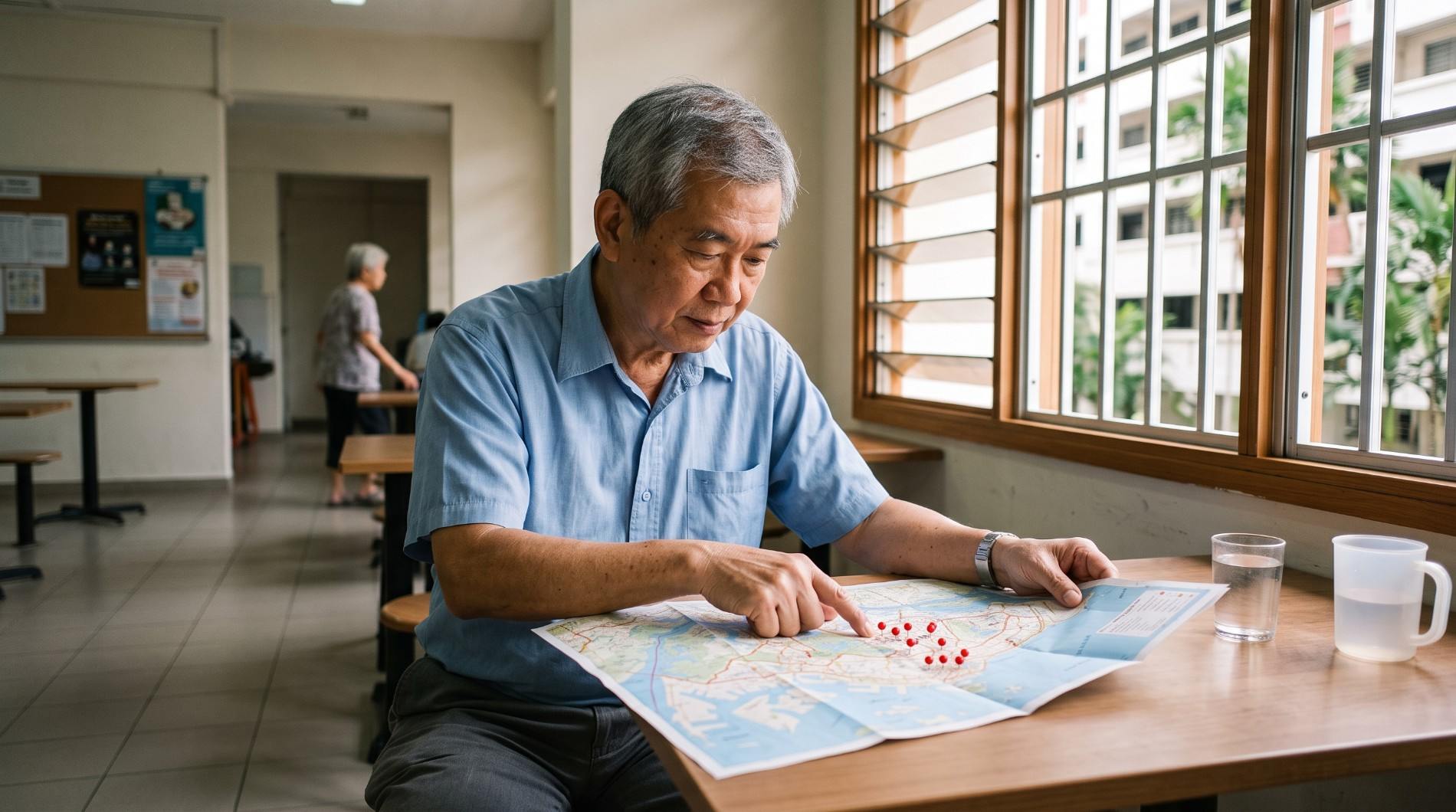
For kidney failure patients in Singapore, choosing a dialysis centre in Singapore is one of the most significant decisions you will make. Haemodialysis patients typically spend three sessions per week at their centre, each lasting three to four hours. Over the course of a year, this can amount to over 600 hours of treatment time at the same facility, with the same care team, in the same environment.
This guide walks you through the key factors to consider, the questions to ask, and how KDF can support you in making an informed decision about your kidney care.
Table of Contents
- Why Choosing the Right Dialysis Centre Matters
- Step 1 – Choose Your Dialysis Modality First
- Key Factors to Consider When Choosing a Dialysis Centre
- Questions to Ask Before Choosing a Dialysis Centre
- Should You Visit the Centre Before Deciding?
- Why Choose KDF as Your Dialysis Centre in Singapore?
- Frequently Asked Questions
- Make an Informed Choice for Your Kidney Care
Why Choosing the Right Dialysis Centre Matters
Unlike many medical treatments, dialysis is ongoing and indefinite. A kidney failure patient on haemodialysis may spend over 600 hours per year at their dialysis centre. The quality of the centre – its medical team, hygiene standards, location, and patient support – will directly affect your physical health, emotional wellbeing, and daily routine for years to come.
Choosing well means not only selecting a centre that provides safe, effective treatment but one where you feel comfortable, supported, and genuinely cared for.
Step 1 – Choose Your Dialysis Modality First
Before selecting a centre, you need to decide on your dialysis modality – whether haemodialysis (in-centre) or peritoneal dialysis (home-based). This decision is made in consultation with your nephrologist and is based on your medical condition, lifestyle, home environment, and personal preference.
If you choose haemodialysis, you will need to attend a dialysis centre three times per week. If you choose peritoneal dialysis, you can perform treatment at home and may not need a centre-based programme, though you will still require regular clinic follow-up.
This guide focuses primarily on choosing a haemodialysis centre, as this is the modality that requires the most careful centre selection.
Key Factors to Consider When Choosing a Dialysis Centre
1. Location and Accessibility
Because you will be travelling to your dialysis centre three times per week, often after a tiring treatment session, location is one of the most practical and important factors. Consider:
- How close is the centre to your home or workplace?
- Is it accessible by public transport, or will you need transport assistance?
- Does KDF or the centre offer transport subsidies or assistance?
- Is there convenient drop-off access for caregivers or ambulance transport if needed?
Minimising travel time and effort preserves your energy and reduces the burden on caregivers. KDF operates multiple dialysis centres across Singapore, designed for patient accessibility.
2. Operating Hours and Shift Availability
Dialysis centres typically operate across multiple shifts throughout the day. Find out what shifts are available and whether the schedule fits your daily routine, work commitments, or family responsibilities. Some centres offer early morning, afternoon, or evening shifts. Confirming availability of a preferred time slot – particularly for working patients – is important before committing to a centre.
3. Quality of Medical Care
The most critical factor is the standard of medical care provided. Assess:
- Is the centre staffed by trained dialysis nurses and supported by qualified nephrologists?
- How are patients’ health outcomes monitored? Are regular blood tests, blood pressure checks, and clinical reviews conducted?
- What are the centre’s protocols for managing complications during treatment, such as sudden drops in blood pressure or access site problems?
- Is there a nephrologist overseeing patient care, and how accessible are they?
At KDF, all our dialysis centres are staffed by trained nurses and supported by nephrologists who conduct regular clinical reviews. Our quality medical treatment approach ensures that patients receive consistent, evidence-based care at every session.
4. Nurse-to-Patient Ratio
A lower nurse-to-patient ratio means more personalised attention during each session. Ask the centre about their typical ratio and whether it is consistent across all shifts. Adequate staffing is directly linked to patient safety and the quality of care you receive during treatment.
5. Cleanliness and Infection Control
Dialysis patients are particularly vulnerable to infections because the treatment involves direct access to the bloodstream. Infection control standards at the centre are non-negotiable. When visiting a centre, observe:
- Overall cleanliness of the treatment area, equipment, and facilities
- Whether staff follow proper hand hygiene and infection control protocols
- How the centre handles isolation of patients with infections
- The centre’s track record on infection rates
Do not hesitate to ask about the centre’s infection control policies before committing.
6. Treatment Options Available
Some centres offer a range of treatment modalities beyond standard haemodialysis – for example, haemodiafiltration (HDF), which has been shown to improve survival outcomes and reduce long-term complications compared to conventional haemodialysis.[1] Find out what treatment options are available and whether the centre can accommodate your needs if your treatment requirements change over time.
7. Subsidies and Financial Assistance
Dialysis is a long-term, recurring expense. Understanding the cost of treatment and what financial assistance is available is essential, particularly for patients and families who may struggle to afford ongoing treatment.
KDF is a non-profit organisation that provides highly subsidised dialysis to needy Singapore Citizens and Permanent Residents. Eligible patients are assessed through means-testing and receive subsidies according to their financial situation. MOH subventions, MediShield Life, and KDF’s own financial assistance schemes can significantly reduce the out-of-pocket cost of dialysis for qualifying patients.
When comparing centres, ask about the full cost of treatment, what subsidies apply, and whether the centre has social workers who can assist with financial applications.
8. Wrap-Around Patient Support
Good dialysis care extends beyond the treatment chair. Consider whether the centre offers:
- Dietary counselling and nutritional guidance
- Psychosocial support and social work services
- Physiotherapy or exercise programmes
- Patient education and self-management support
- Peer support programmes or patient community activities
KDF’s wrap-around care programmes – including physiotherapy, psychosocial support, patient seminars, and the peer support programme – are designed to support patients’ holistic wellbeing, not just their medical treatment.
Questions to Ask Before Choosing a Dialysis Centre
Before finalising your choice, consider asking the centre the following:
- What dialysis shifts are available and is there space for a new patient at my preferred time?
- What is the nurse-to-patient ratio during treatment sessions?
- Which nephrologist oversees patient care and how often are clinical reviews conducted?
- What are your infection control protocols?
- Do you offer haemodiafiltration or other advanced treatment modalities?
- What subsidies are available and how do I apply?
- Is there a social worker on-site to assist with financial and psychosocial needs?
- What transport assistance is available for patients who need it?
- What happens if I experience a medical emergency during treatment?
- Can I visit the centre before making a decision?
Should You Visit the Centre Before Deciding?
Yes – wherever possible, visit the centre in person before committing. A site visit allows you to:
- Meet the nursing team and assess their responsiveness and warmth
- Observe the cleanliness and organisation of the treatment area
- Check the comfort of the treatment chairs and overall environment
- Ask questions directly and gauge how staff respond
- Speak with existing patients about their experience
A centre that welcomes prospective patients for visits and is transparent about its operations is a good sign. First impressions of the environment and care team matter – you will be spending a significant amount of time there.
Why Choose KDF as Your Dialysis Centre in Singapore?
The Kidney Dialysis Foundation (KDF) has been caring for needy kidney patients in Singapore for over 30 years. Our dialysis centres provide:
- Highly subsidised haemodialysis and haemodiafiltration for eligible patients
- Trained dialysis nurses and nephrologist oversight at every centre
- Wrap-around care including dietary guidance, physiotherapy, and psychosocial support
- A warm, community-focused environment where patients are treated with dignity and compassion
- Multiple centre locations across Singapore for accessibility
- Social workers to assist patients with financial applications and subsidy schemes
KDF’s mission is simple: to ensure that no kidney patient in Singapore goes without life-sustaining treatment due to lack of funds.
Frequently Asked Questions
What is the most important factor when choosing a dialysis centre? For most patients, location and accessibility are the most practical starting points – but the quality of medical care and infection control standards are non-negotiable. Ideally, choose a centre that is both conveniently located and has a strong reputation for clinical care and patient support.
Is it better to do dialysis at home or at a centre? This depends on your dialysis modality. Peritoneal dialysis can be done at home and offers greater flexibility. Haemodialysis is typically performed at a centre. Some patients prefer the structure and nursing support of in-centre treatment; others value the independence of home-based treatment. Discuss the options with your nephrologist.
Can I change dialysis centres if I am not satisfied? Yes. Patients can request a transfer to a different dialysis centre if their current centre is not meeting their needs, subject to availability. Speak to your nephrologist or medical social worker about the process.
How do I qualify for subsidised dialysis at KDF? Eligible Singapore Citizens and Permanent Residents referred by a Medical Social Worker or Renal Coordinator from a public hospital may apply. Patients are assessed through means-testing to determine the level of subsidy. Contact KDF directly for more information about eligibility criteria.
Does KDF offer haemodiafiltration? Yes. KDF offers haemodiafiltration at selected centres. Contact us to find out which centres provide HDF and whether you may be a suitable candidate.
Make an Informed Choice for Your Kidney Care
Choosing a dialysis centre is not just a medical decision – it is a life decision. The centre you choose will shape your daily routine, your health outcomes, and your quality of life for years to come. Take the time to visit, ask questions, and compare your options carefully.
If you are looking for a subsidised dialysis centre in Singapore that combines clinical quality with compassionate, wrap-around care, KDF is here to help.
Contact us to learn more about our centres, the enrolment process, and the support available to you.
Resources
[1] Vernooij RWM et al. – High-Volume Online Haemodiafiltration and Survival in Kidney Failure: The CONVINCE Randomised Trial. New England Journal of Medicine, 2023.