

Kidney Failure Symptoms and Treatment Options in Singapore
Disclaimer: This content is for educational purposes only and is not a substitute for professional clinical advice from a healthcare provider.
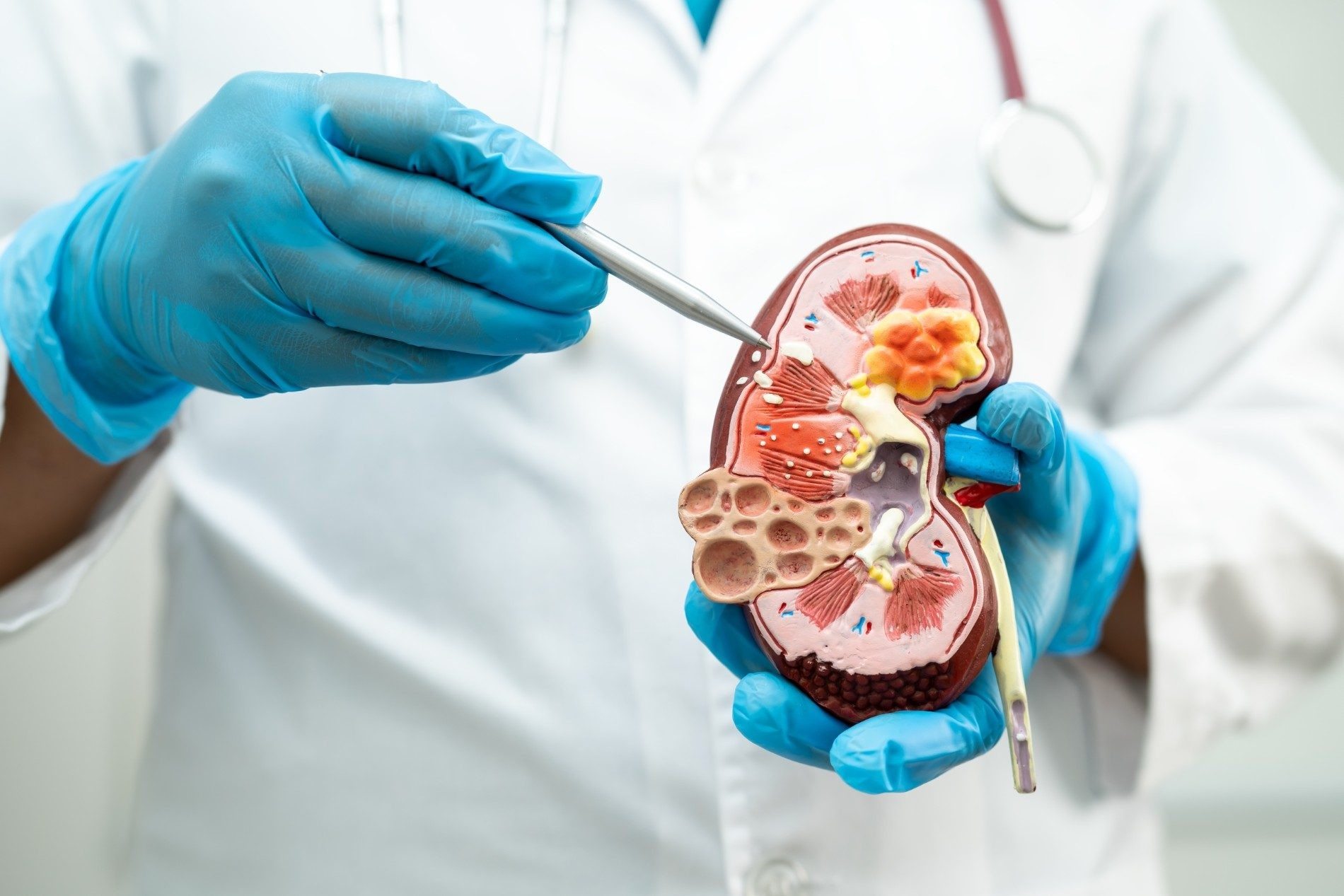
The kidneys are two vital organs that filter waste products and excess fluid from the blood, regulate blood pressure, produce red blood cells, and help maintain healthy bones. Kidney failure – also known as end-stage renal disease (ESRD) – occurs when the kidneys can no longer perform these functions adequately, and treatment is required to replace their work.
Kidney failure is a growing health crisis in Singapore. Approximately six new cases are diagnosed every day, and Singapore has one of the highest rates of kidney failure in the world. Understanding the symptoms, causes, and available treatment options is essential for patients, caregivers, and anyone at risk.
Table of Contents
- What Is Kidney Failure?
- Symptoms of Kidney Failure
- Causes of Kidney Failure in Singapore
- When Should You See a Doctor?
- Kidney Failure Treatment Options
- Comparing Kidney Failure Treatment Options
- Making the Right Choice
- Frequently Asked Questions About Kidney Failure
- Kidney Failure Support in Singapore
What Is Kidney Failure?
Kidney failure is a condition in which the kidneys are unable to filter waste products, excess fluid, and salts from the blood effectively. Without treatment, toxic substances accumulate in the body and the consequences can be life-threatening. Kidney failure is typically the end stage of chronic kidney disease (CKD), though it can also develop suddenly due to an acute event.
Symptoms of Kidney Failure
Kidney failure is often called a silent condition in its early stages – symptoms may not appear until kidney function has deteriorated significantly. As waste products build up in the body, the following symptoms may develop:
- Swelling of the legs, ankles, and face (oedema) due to fluid retention
- Shortness of breath, particularly if fluid accumulates in the lungs
- Persistent fatigue, weakness, and lethargy
- Nausea and vomiting
- Loss of appetite
- Difficulty sleeping
- Body itch (pruritus) due to waste product build-up
- Confusion or difficulty concentrating
- High blood pressure that is difficult to control
- Decreased or no urine output
- Foamy urine (indicating protein leakage)
- Muscle cramps
- A bad smell in the breath (uraemic breath)
In advanced cases, the inability to remove potassium from the blood can lead to abnormal heart rhythms, which can be life-threatening. If you or a loved one are experiencing these symptoms, seek medical attention promptly.
Causes of Kidney Failure in Singapore
The two leading causes of kidney failure in Singapore are diabetes and high blood pressure (hypertension):
- Diabetes is the most common cause, accounting for approximately 60 to 67 per cent of new end-stage renal disease cases in Singapore. Chronically high blood sugar damages the tiny blood vessels in the kidneys, reducing their ability to filter blood over time.
- High blood pressure is the second most common cause, affecting approximately one in four adult Singaporeans. Persistently elevated blood pressure damages the kidney’s blood vessels and filtering units.
Other causes include glomerulonephritis, polycystic kidney disease, lupus nephritis, kidney stones, and prolonged use of certain medications.
When Should You See a Doctor?
You should consult a doctor promptly if you:
- Notice any of the symptoms listed above, particularly swelling, unexplained fatigue, or changes in urination
- Have diabetes or high blood pressure and have not had your kidney function checked recently
- Have a family history of kidney disease
- Are above 60 years of age
Early detection through regular blood and urine screening can significantly slow the progression of kidney disease and delay the need for dialysis.
Kidney Failure Treatment Options
When kidney failure is diagnosed, a decision needs to be made about treatment to replace the work of the kidneys. Your doctor will discuss the options with you and your family, taking into account your health condition, lifestyle, and personal circumstances. Treatment planning should ideally begin before kidney failure reaches its final stage.
There are three main treatment paths:
A) Kidney Transplant
A kidney transplant involves surgically placing a healthy kidney from a living donor (related or unrelated) or a deceased donor into the patient’s body. The transplanted kidney takes over the work of the two failed kidneys.
Advantages:
- A transplanted kidney functions like a normal kidney
- Helps restore good health and quality of life
- Fewer dietary restrictions compared to dialysis
- Dialysis is no longer required
Disadvantages:
- If no living donor is available, the wait for a deceased donor kidney can be several years
- Major surgery is required with associated risks
- Anti-rejection medication must be taken for life
- The transplanted kidney may still fail, particularly if lifestyle or medication compliance is poor
- Living related donor kidneys generally have better survival rates
B) Dialysis
Dialysis removes waste products and excess fluid from the blood when the kidneys can no longer do so. It replaces some – but not all – kidney functions. There are two forms of dialysis:
Haemodialysis
During haemodialysis, blood is drawn from the body into a dialysis machine where waste and excess fluid are removed, and the cleansed blood is returned to the body.
Blood access requires a surgically created connection between an artery and a vein – known as a fistula – that allows blood to flow at the rate needed for effective dialysis.
Advantages:
- Performed three times a week at a dialysis centre; leaves four free days
- Carried out by trained nurses and dialysis care technicians
- Regular attendance at the centre provides social interaction and monitoring
Disadvantages:
- Fixed treatment schedule requiring travel to a centre three times a week
- Each session lasts three to four hours in a dialysis chair
- Medications, fluid restriction, and dietary control are required
- Two needle insertions per session
Peritoneal Dialysis
Peritoneal dialysis uses the peritoneal membrane – the lining of the inner abdominal wall – as a natural filter. A specially prepared dialysis solution is introduced into the abdominal cavity through a catheter. Waste products and excess fluid from the blood pass into this solution, which is then drained out and replaced with fresh solution.
A minor operation is required to implant the catheter inside the abdomen. Proper care of the catheter and exit site is essential to prevent infection.
There are two forms of peritoneal dialysis:
CAPD (Continuous Ambulatory Peritoneal Dialysis)
With CAPD, the dialysis solution is infused into the abdominal cavity through a catheter and left to dwell for four to six hours before being drained and replaced. This exchange process can be performed manually anywhere – at home, at work, or at school. Most patients require four to five exchanges per day.
APD (Automated Peritoneal Dialysis)
APD uses an automated cycler machine to perform exchanges overnight while the patient sleeps. The machine automatically fills and drains the abdominal cavity over eight to ten hours. Patients may need to perform one additional exchange during the day.
Advantages of peritoneal dialysis:
- No need to travel to a dialysis centre three times a week
- Exchanges can be planned around daily routines
- Can be performed at home or at the workplace
- No needles required
- Less dietary and fluid restriction compared to haemodialysis
Disadvantages of peritoneal dialysis:
- Four to five exchanges per day required for CAPD
- A permanent catheter exits the body from the abdomen
- Infection risk if correct procedures are not followed
- The home environment must be suitable for dialysis
C) Palliative Care
For patients – particularly the elderly and those who are very frail – who choose not to pursue dialysis or transplantation, palliative care focuses on managing symptoms, maintaining comfort, and preserving quality of life without kidney replacement therapy. This option should be discussed in detail with your doctor.
Comparing Kidney Failure Treatment Options
| Treatment | Setting | Frequency | Key Consideration |
|---|---|---|---|
| Kidney Transplant | Hospital (surgery) | Once (ongoing medication) | Best long-term outcome; dependent on donor availability |
| Haemodialysis | Dialysis centre | 3 times per week, 3 to 4 hours | Fixed schedule; nursing support provided |
| CAPD | Home/work/school | 4 to 5 exchanges daily | Flexible but requires multiple manual exchanges per day |
| APD | Home (overnight) | Nightly | Automated; allows daytime freedom |
| Palliative Care | Home or hospice | Ongoing | Comfort-focused; no kidney replacement |
Making the Right Choice
Your treatment choice will have an impact on your daily life, your family, your work, and your medical needs. There is no single best option for everyone – each treatment has its advantages and disadvantages, and the right choice depends on your individual circumstances.
It is important not to leave this decision to the last minute. Kidney failure progresses over a period of years, giving patients and their care teams time to plan ahead. A hurried decision may not be the right one. Work closely with your nephrologist, medical social worker, and family to understand your options before kidney failure reaches its final stage.
Frequently Asked Questions About Kidney Failure
What are the early signs of kidney failure? Early-stage kidney failure often has no symptoms, which is why it frequently goes undetected. When symptoms do appear they may include persistent fatigue, swelling in the legs or face, foamy urine, and changes in urination frequency. Regular screening is the only reliable way to detect kidney disease early.
What is the most common cause of kidney failure in Singapore? Diabetes is the leading cause, accounting for approximately 60 to 67 per cent of new end-stage renal disease cases. High blood pressure is the second most common cause.
Can kidney failure be treated without dialysis? In some cases, early-stage chronic kidney disease can be managed with medication, dietary changes, and lifestyle adjustments to slow progression. However, once kidney failure is established, dialysis or transplantation is required to sustain life, unless palliative care is chosen.
How long can a person live on dialysis? Life expectancy on dialysis varies widely depending on age, overall health, and the underlying cause of kidney failure. Many patients live for years or even decades on dialysis with good management and adherence to treatment.
Is kidney transplantation better than dialysis? A successful kidney transplant generally offers better quality of life and longer life expectancy than dialysis. However, it requires a suitable donor, major surgery, and lifelong anti-rejection medication. Not every patient is a suitable candidate. Your doctor will advise on the most appropriate option for your situation.
Kidney Failure Support in Singapore
If you or a loved one has been diagnosed with kidney failure, you do not have to face it alone. The Kidney Dialysis Foundation (KDF) provides subsidised haemodialysis treatment and subsidies for needy kidney patients across Singapore, alongside wide-ranging patient support including financial assistance, dietary guidance, psychosocial support, and physiotherapy.
Contact KDF today to find out about eligibility, the referral process, and the full range of support programmes available.