

Kidney Health: How to Keep Your Kidneys Healthy in Singapore
Disclaimer: This content is for educational purposes only and is not a substitute for professional clinical advice from a healthcare provider.
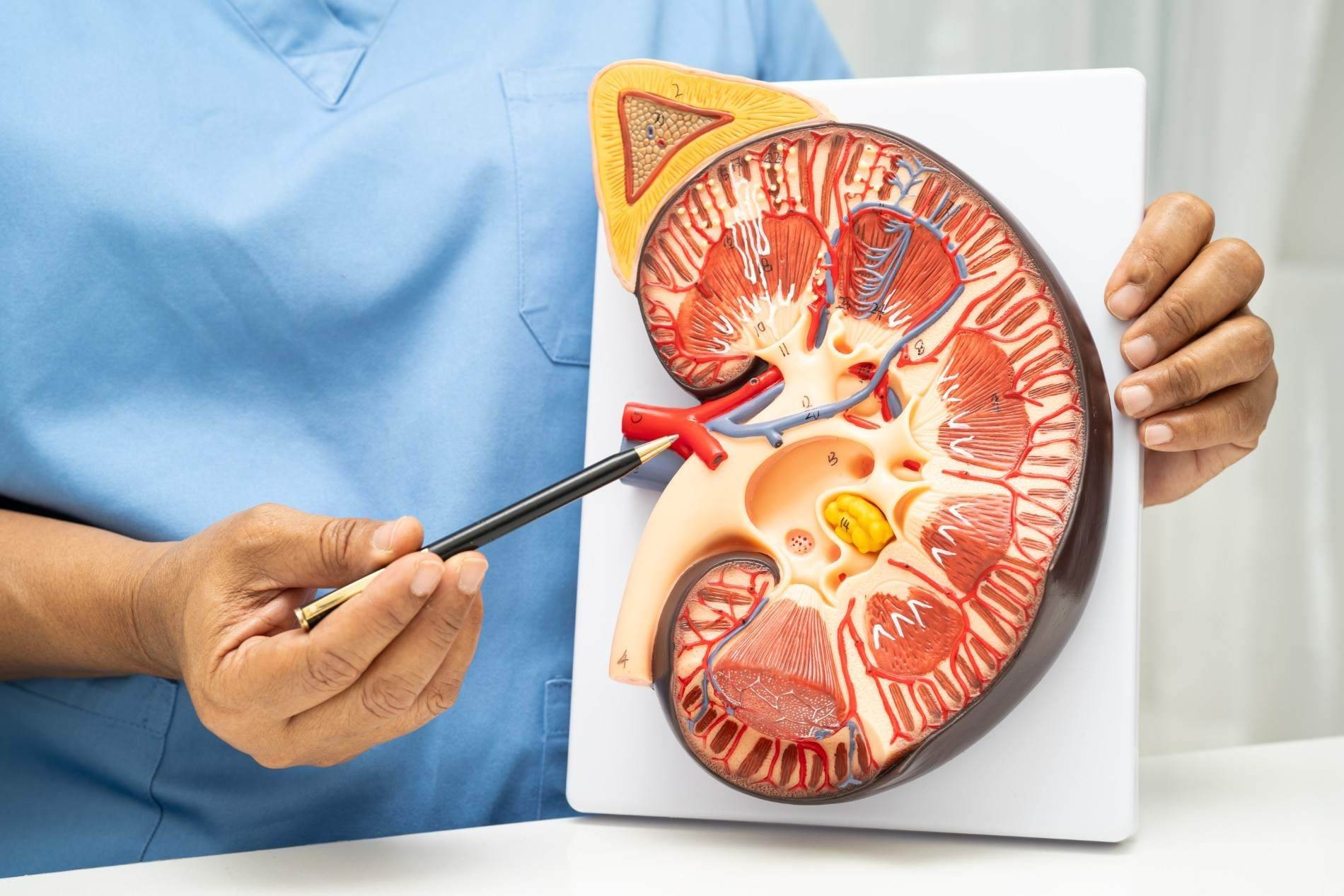
Your kidneys are two of the hardest-working organs in your body. Yet kidney disease is one of Singapore’s most significant and growing public health challenges with approximately six new cases of kidney failure diagnosed every day. The good news is that kidney disease is largely preventable. Understanding how your kidneys work, recognising early warning signs, and taking proactive steps to protect your kidney health can make a profound difference to your long-term wellbeing.
Table of Contents
- What Do Your Kidneys Do?
- Signs of Healthy Kidneys
- Kidney Disease in Singapore: Why It Matters
- Risk Factors for Kidney Disease
- How to Protect Your Kidney Health
- What Foods Are Good for Your Kidneys?
- What Drinks Support Kidney Health?
- How Is Kidney Health Measured?
- When Should You See a Doctor About Your Kidneys?
- Frequently Asked Questions About Kidney Health
- Your Kidneys Deserve Attention
What Do Your Kidneys Do?
The kidneys are a pair of bean-shaped organs located on either side of the lower back, each roughly the size of a clenched fist. Every day, approximately 110 to 140 litres of blood pass through the kidneys, which filter out waste products, excess fluid, and salts excreting them from the body as urine.
Beyond filtration, the kidneys perform several other vital functions:
- Maintaining the body’s balance of electrolytes such as sodium, potassium, calcium, and phosphate
- Regulating blood pressure through the release of the hormone renin
- Stimulating the production of red blood cells via erythropoietin
- Activating Vitamin D to maintain healthy bones
- Maintaining the body’s acid-base balance
When the kidneys are damaged and can no longer perform these functions, the consequences affect every system in the body.
Signs of Healthy Kidneys
Healthy kidneys operate silently and efficiently. Signs that your kidneys are functioning well include:
- Clear or pale yellow urine (not foamy or discoloured)
- Urinating regularly approximately six to eight times per day
- No swelling in the face, legs, or ankles
- Stable blood pressure within the normal range
- Normal energy levels (not unexplained fatigue)
- No persistent lower back pain near the kidney area
Because healthy kidneys produce no noticeable symptoms, the best way to confirm they are functioning well is through regular blood and urine screening, particularly if you have risk factors for kidney disease.
Kidney Disease in Singapore: Why It Matters
Singapore has one of the highest rates of kidney failure in the world. Key facts:
- Approximately six new cases of kidney failure are diagnosed every day in Singapore
- Diabetes is the leading cause, accounting for approximately 60 per cent of new end-stage renal disease cases
- High blood pressure is the second most common cause
- Kidney disease is often silent in its early stages many patients do not know they have it until significant damage has occurred
This makes prevention and early detection critical. Every stage of chronic kidney disease before Stage 5 presents an opportunity to slow or halt its progression.
Risk Factors for Kidney Disease
You are at higher risk of developing kidney disease if you:
- Have diabetes (type 1 or type 2)
- Have high blood pressure (hypertension)
- Have a family history of kidney disease or kidney failure
- Are above 60 years of age
- Are overweight or obese
- Smoke
- Take NSAIDs (painkillers such as ibuprofen) regularly
- Have experienced repeated urinary tract infections
- Have cardiovascular disease
If you have one or more of these risk factors, speak to your doctor about regular kidney function screening.
How to Protect Your Kidney Health
1. Control Blood Sugar Levels
Diabetes is the leading cause of kidney failure in Singapore. High blood sugar damages the tiny blood vessels in the kidneys over time, reducing their filtering ability. If you have diabetes, strict glycaemic control is the single most important step you can take to protect your kidneys. Follow your doctor’s advice on medication, diet, and monitoring.
2. Manage Blood Pressure
High blood pressure is the second most common cause of kidney failure. Uncontrolled hypertension damages the blood vessels throughout the kidneys, accelerating their decline. Target blood pressure for most adults is below 130/80 mmHg, or below 125/75 mmHg for those with significant proteinuria. Take prescribed medication consistently, reduce sodium intake, and monitor your blood pressure regularly.
3. Eat a Kidney-Friendly Diet
Diet plays a direct role in kidney health. Key recommendations:
- Reduce sodium (salt) intake to less than 5 grams (approximately one teaspoon) per day excess salt raises blood pressure and strains the kidneys
- Limit sugary foods and drinks that contribute to diabetes and obesity
- Reduce saturated fats and fried foods that promote obesity and cardiovascular disease
- Eat a balanced diet rich in fruits, vegetables, whole grains, and lean protein
- Moderate protein intake. very high-protein diets can place additional strain on the kidneys over time
- Limit processed and preserved foods, which are typically high in sodium
4. Stay Adequately Hydrated
Drinking adequate water helps the kidneys flush toxins and waste products effectively. For most adults, 1.5 to 2 litres of water per day is a reasonable target, though needs vary depending on activity level, climate, and health conditions. Adequate hydration also helps prevent kidney stones. Avoid excessive consumption of sugary drinks and carbonated beverages.
5. Exercise Regularly and Maintain a Healthy Weight
Regular physical activity helps maintain a healthy weight, lower blood pressure, and improve blood sugar control all of which protect kidney health. Aim for at least 150 minutes of moderate aerobic exercise per week (such as brisk walking, cycling, or swimming). Obesity is a significant risk factor for both diabetes and hypertension, the two leading causes of kidney failure.
6. Avoid Smoking and Limit Alcohol
Smoking damages blood vessels throughout the body, including those supplying the kidneys, and can accelerate the progression of kidney disease. If you smoke, quitting is one of the most impactful steps you can take for your kidney health.
Excessive alcohol consumption raises blood pressure, increases calorie intake, and places additional strain on the kidneys. Limit intake to within national guidelines.
7. Be Cautious With Medications and Supplements
Non-steroidal anti-inflammatory drugs (NSAIDs) such as ibuprofen and naproxen can cause kidney damage if taken regularly or in high doses, particularly in those with existing kidney disease. Always consult a doctor before taking them consistently.
Be cautious with herbal remedies and unregulated supplements some contain compounds that are directly toxic to the kidneys or interact with prescribed medications. Always inform your doctor of all supplements you are taking.
8. Go for Regular Kidney Health Screenings
Kidney disease is often detected only through a urine or blood test. Because early-stage CKD typically has no symptoms, regular screening is essential – particularly for those with risk factors. In Singapore, kidney function screening can be done at polyclinics and general practitioner clinics. The Screen for Life programme offers subsidised screenings for eligible Singaporeans.[1]
Ask your doctor to check your:
- eGFR (estimated Glomerular Filtration Rate) – measures how well your kidneys are filtering blood
- ACR (Albumin-to-Creatinine Ratio) – detects protein in the urine, an early sign of kidney damage
What Foods Are Good for Your Kidneys?
A kidney-friendly diet is broadly similar to a heart-healthy diet. Foods that support kidney health include:
- Water – the most kidney-friendly drink; flushes waste and prevents kidney stones
- Leafy green vegetables – such as spinach and kale; rich in antioxidants (note: those with advanced kidney disease should monitor potassium intake from greens)
- Berries – blueberries, strawberries, and cranberries are low in potassium and rich in antioxidants
- Oily fish – such as salmon and mackerel; rich in omega-3 fatty acids that help lower blood pressure and reduce inflammation
- Whole grains – such as oats and brown rice; support weight management and blood sugar control
- Garlic – a natural flavour enhancer that reduces the need for salt; contains anti-inflammatory compounds
- Cauliflower – low in potassium and phosphorus; a kidney-friendly vegetable
What Drinks Support Kidney Health?
- Water – the best choice for kidney health; aim for 1.5 to 2 litres daily
- Unsweetened herbal teas – such as ginger or hibiscus tea in moderation
- Fresh fruit juice in small amounts – without added sugar; note that some high-potassium juices (such as orange juice) may need to be limited in advanced kidney disease
Drinks to limit or avoid:
- Sugary drinks and carbonated soft drinks – contribute to obesity and diabetes
- Energy drinks – high in caffeine and sugar, which stress the kidneys
- Excessive caffeine from coffee or tea – in very high amounts can raise blood pressure
- Alcohol – raises blood pressure and stresses the kidneys
How Is Kidney Health Measured?
Two key tests measure kidney health:
eGFR (estimated Glomerular Filtration Rate): A blood test that estimates how much blood the kidneys filter per minute. A normal eGFR is 90 or above. Lower values indicate reduced kidney function and, if persistent, may indicate CKD.
ACR (Albumin-to-Creatinine Ratio): A urine test that detects the presence and quantity of albumin (a protein) in the urine. Healthy kidneys keep protein in the blood. Protein leakage into the urine is an early sign of kidney damage.
Together, these two tests provide a comprehensive picture of kidney function and are used to diagnose and stage chronic kidney disease.
When Should You See a Doctor About Your Kidneys?
See a doctor promptly if you notice:
- Foamy or bubbly urine
- Blood in the urine
- Persistent swelling in the face, legs, or ankles
- Unexplained fatigue or weakness
- Frequent urination, particularly at night
- Difficulty controlling blood pressure
Even without symptoms, anyone with risk factors – diabetes, hypertension, a family history of kidney disease, or age above 60 – should have their kidney function checked regularly.
Frequently Asked Questions About Kidney Health
How do I improve my kidney health? The most effective steps are controlling blood sugar and blood pressure, eating a low-salt balanced diet, staying well hydrated, exercising regularly, avoiding smoking, being cautious with NSAIDs, and attending regular kidney function screenings.
What are the signs of healthy kidneys? Healthy kidneys produce clear urine in normal quantities, maintain stable blood pressure, and cause no swelling or unexplained fatigue. The best confirmation of healthy kidneys is through regular eGFR and ACR testing.
What foods are good for your kidneys? Foods beneficial for kidney health include water, berries, leafy greens, oily fish, whole grains, garlic, and cauliflower. A broadly heart-healthy, low-sodium diet supports kidney health for most people.
What drink is good for kidney repair? Water is the most important drink for kidney health. There is no single drink that repairs damaged kidneys, but staying well hydrated supports kidney function and reduces the risk of kidney stones and urinary tract infections.
How often should I get my kidneys checked? Those with risk factors such as diabetes, hypertension, obesity, a family history of kidney disease, or age above 60 should have annual eGFR and urine protein testing. Ask your doctor about the right screening frequency for your situation.
Your Kidneys Deserve Attention
Kidney health is not something to take for granted. In Singapore, kidney disease is common, often silent, and largely preventable – but only if action is taken early. Whether you are managing diabetes, watching your blood pressure, or simply looking to protect your long-term health, the steps in this guide can make a real difference.
If kidney disease has already progressed to the point where dialysis is needed, KDF is here to help. The Kidney Dialysis Foundation provides subsidised dialysis treatment and comprehensive patient support for needy kidney patients across Singapore. Contact KDF to find out more about our programmes and how we can support you or your loved one.
Resources
[1] HealthHub Singapore – Screen for Life: Subsidised Screenings for Singaporeans