

Proteinuria: Causes, Symptoms, Diagnosis and Treatment
Disclaimer: This content is for educational purposes only and is not a substitute for professional clinical advice from a healthcare provider.
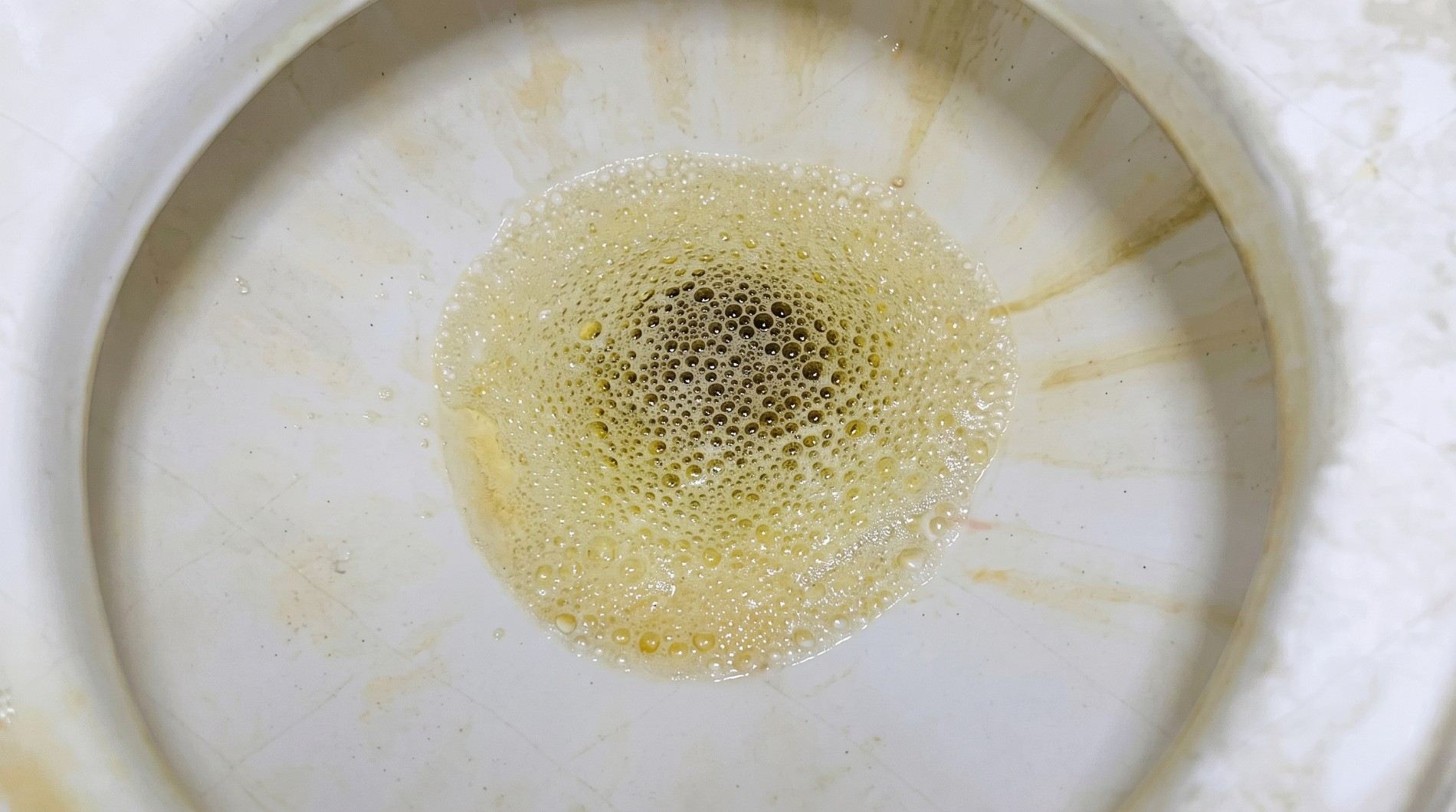
Proteinuria is the condition where the urine contains an abnormal amount of protein. Under healthy circumstances, the kidneys act as filters that allow waste to pass out of the body while retaining essential substances – including protein – in the bloodstream. When proteinuria is present, it is a signal that the kidneys may be damaged or not functioning properly. Recognising it early is key to preventing serious kidney disease.
Table of Contents
- What Is Proteinuria?
- How Does Protein Leak Into the Urine?
- Why Is Proteinuria Dangerous?
- What Causes Proteinuria?
- Types of Proteinuria
- Who Is at Risk of Proteinuria?
- Signs and Symptoms of Proteinuria
- How Is Proteinuria Graded?
- How Is Proteinuria Diagnosed?
- How Is Proteinuria Treated?
- Natural Course and Prognosis
- Frequently Asked Questions About Proteinuria
- Protect Your Kidneys Before It Is Too Late
- Resources
What Is Proteinuria?
Protein is found in the blood and should not ordinarily appear in the urine in significant quantities. Doctors generally consider proteinuria to be present when more than 150 mg of protein is detected in the urine per day.
Protein is a large chain molecule made up of amino acids. It performs many vital functions in the body – aiding digestion, fighting infections, carrying substances through the bloodstream, and assisting in blood clotting. When protein leaks into the urine in large quantities, it means the body’s filtration system has been compromised.
How Does Protein Leak Into the Urine?
The kidneys contain millions of tiny filters called glomeruli. As blood passes through healthy kidneys, the glomeruli filter out waste products while retaining large molecules such as proteins. However, when the glomeruli are damaged by disease, proteins are able to pass through and escape into the urine.
Why Is Proteinuria Dangerous?
Proteinuria is not a disease in itself – it is an indicator that the kidneys have been damaged in some way. Left unaddressed, the underlying cause can progress to kidney failure. This is why proteinuria must not be ignored, even when no symptoms are present.
What Causes Proteinuria?
Proteinuria can arise from several different conditions:
Primary kidney disease:
- Nephritis (inflammation of the kidneys)
- Glomerulonephritis (the second most common cause of kidney disease in Singapore, according to the Annals, Academy of Medicine Singapore) [1]
Secondary kidney disease caused by:
- Diabetes – the most common cause of kidney failure in Singapore; even small amounts of albumin in the urine (microalbuminuria) are an early warning sign of deteriorating kidney function
- High blood pressure (hypertension)
- Cancers
- Pregnancy
- Medications that are not kidney-friendly
Other causes:
- Excessive weight gain
- Heart failure
It is also worth noting that slightly elevated protein excretion can occur normally in certain circumstances – such as during pregnancy, fever, and after strenuous exercise. These are generally not clinically significant if the amount is only minimally raised and returns to normal levels soon after.
Types of Proteinuria
There are two main proteins in the urine: albumin, which is the smaller molecule, and globulin, which is larger. In early or minor kidney disease, albumin leaks out first while the amount remains too small to be detected by conventional methods – this is known as microalbuminuria. As the disease advances, larger globulin molecules also begin to leak, and the state is collectively referred to as proteinuria.
There are also distinct types based on when and how protein leaks:
- Transient proteinuria – temporary, often associated with fever, intense exercise, or dehydration; resolves once the trigger is removed
- Orthostatic proteinuria – protein leaks only when the body is in an upright position; more common in children and young adults; generally benign
- Persistent proteinuria – a consistent finding that indicates ongoing kidney damage and requires investigation and management
Who Is at Risk of Proteinuria?
People with diabetes, hypertension, or certain family backgrounds are at higher risk of developing proteinuria. In both type 1 and type 2 diabetes, the presence of small amounts of albumin in the urine is often the earliest sign of deteriorating kidney function. As kidney function declines, the amount of albumin in the urine increases and microalbuminuria progresses to full proteinuria.
Signs and Symptoms of Proteinuria
In mild or early stages, proteinuria typically causes no noticeable symptoms. As the condition worsens or protein losses become more significant, the following may occur:
- Foamy or frothy urine – often the first visible sign; caused by excess protein in the urine creating bubbles
- Swelling (oedema) of the legs, feet, face, or abdomen due to fluid retention
- Breathlessness, especially when lying down, in more severe cases
When protein loss is very large – more than 3 grams per day – a patient may develop nephrotic syndrome, characterised by severe swelling of the legs and abdomen, breathlessness, and significant fluid retention.
If kidney failure has also developed, symptoms will mirror those of other kidney failure patients.
How Is Proteinuria Graded?
Proteinuria is graded by the amount of protein detected in the urine per day:
| Grade | Amount (mg/day) |
|---|---|
| 1. Microalbuminuria | 30 to 150 mg |
| 2. Mild proteinuria | 150 to 500 mg |
| 3. Moderate proteinuria | 500 to 1,000 mg |
| 4. Heavy proteinuria | More than 1,000 mg |
The amount of proteinuria may also be reported as a protein-to-creatinine ratio in the urine. Both albumin and protein are measured differently, so results may vary slightly depending on which test is used.
How Is Proteinuria Diagnosed?
Your doctor will conduct a series of investigations depending on the cause and amount of protein leakage. These include:
- Urine dipstick test – a simple, quick test using a strip immersed in a urine sample to detect the presence of protein; measures the concentration in that specific sample, so results may vary throughout the day
- 24-hour urine collection – all urine passed over a full 24-hour period is collected and tested; this provides the most accurate measurement of the total amount of protein excreted per day
- Blood tests – to assess kidney function and check for underlying conditions such as diabetes
- Urine test for protein amount – to confirm the quantity of protein present
- Ultrasound of the kidneys and bladder – to determine any structural cause of proteinuria
- Kidney biopsy – may be indicated in some cases for a more specific diagnosis and prognosis assessment
How Is Proteinuria Treated?
Treatment aims to address the underlying cause and prevent further kidney deterioration. Key approaches include:
- Blood pressure control – good blood pressure management using any class of antihypertensive suited to the patient; for heavy proteinuria, the target blood pressure is 125/75
- RAAS blockers – medications such as ACE inhibitors or Angiotensin Receptor Blockers (ARBs) specifically reduce protein leakage and help stabilise kidney function
- Blood sugar control – for diabetic patients, controlling blood glucose is the first priority in protecting the kidneys
- Dietary modifications – a low-salt diet reduces fluid retention and blood pressure; a low-protein diet may be appropriate for kidney failure patients and should be guided by a dietitian
- Potassium monitoring – many medications used in treatment can raise potassium levels, so daily intake should be kept in check
- Review of medications – any medications that are not kidney-friendly should be used cautiously and only as directed by a healthcare professional
Natural Course and Prognosis
If left untreated, proteinuria may occasionally disappear on its own or remain stable for many months or years. However, it can also worsen and lead to kidney failure, particularly when:
- It is associated with high blood pressure
- Heavy proteinuria is present (more than 1 gram per day) – the higher the protein loss, the greater the risk of kidney failure
This is why regular monitoring is essential, even when symptoms are absent.
Frequently Asked Questions About Proteinuria
What is the main cause of proteinuria? The most common causes are diabetes and high blood pressure, both of which can damage the kidney’s filtering units over time. Kidney diseases such as glomerulonephritis are also a significant cause, particularly in Singapore.
How serious is proteinuria? It depends on the cause and degree. Mild, transient proteinuria following exercise or fever is generally harmless. Persistent or heavy proteinuria indicates ongoing kidney damage and can progress to kidney failure if not managed.
Can proteinuria be reversed? In some cases – particularly when caused by a temporary factor such as illness or dehydration – proteinuria may resolve. However, proteinuria caused by chronic kidney disease or diabetes requires ongoing management to slow progression rather than reverse it.
Will drinking more water reduce protein in the urine? Staying adequately hydrated supports kidney function, but drinking water alone will not resolve proteinuria caused by kidney disease or other medical conditions. Proper diagnosis and treatment of the underlying cause is necessary.
Who should be regularly screened for proteinuria? People with diabetes, high blood pressure, or a family history of kidney disease should be checked regularly. Early detection allows kidney disease to be identified and managed before it progresses to a more serious stage.
Protect Your Kidneys Before It Is Too Late
Proteinuria is often a silent warning sign – easy to miss without regular screening, yet meaningful as an early indicator of kidney damage. Whether you have diabetes, high blood pressure, or a family history of kidney disease, routine urine checks can detect proteinuria early and give you the opportunity to act before the damage becomes irreversible.
If kidney disease has already progressed to the point where dialysis is required, the Kidney Dialysis Foundation (KDF) is here to help. KDF provides subsidised dialysis treatment and wrap-around patient support for needy kidney patients across Singapore. Contact KDF to find out more about our programmes and financial assistance schemes.